
The Golden Age of Inns

October 11, 2018

Originally publishedMarch 13, 2015

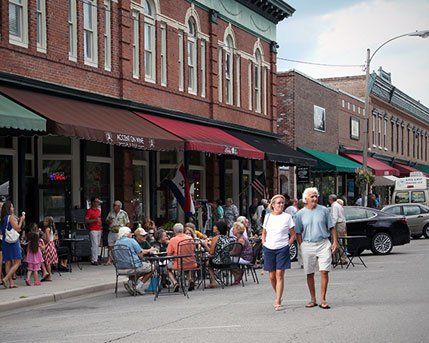
Discussions of The Dorchester hotel (whether pro or con) always prompt thoughts of Summerville’s Golden Age of Inns.


Beginning in the early 1890s, the proliferation of inns in Summerville followed a pronouncement at the first International Tuberculosis Congress in Paris regarding Summerville, SC, and Thomasville, Ga. The two communities, the medical professionals declared, were the two healthiest places on earth.


The reason, according to these professionals, was pine vapors. Those vapors were sure to cure consumption, heart problems, nervousness and insomnia.


Responding to anticipated visitors, local entrepreneurs built hotels and renovated homes into inns (comparable to today’s bed-and-breakfast operations).


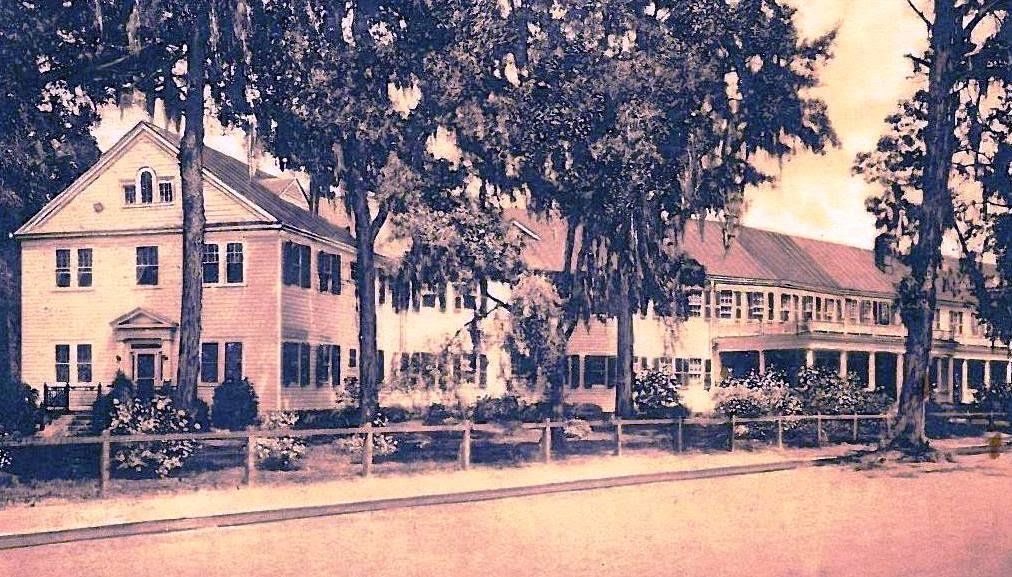
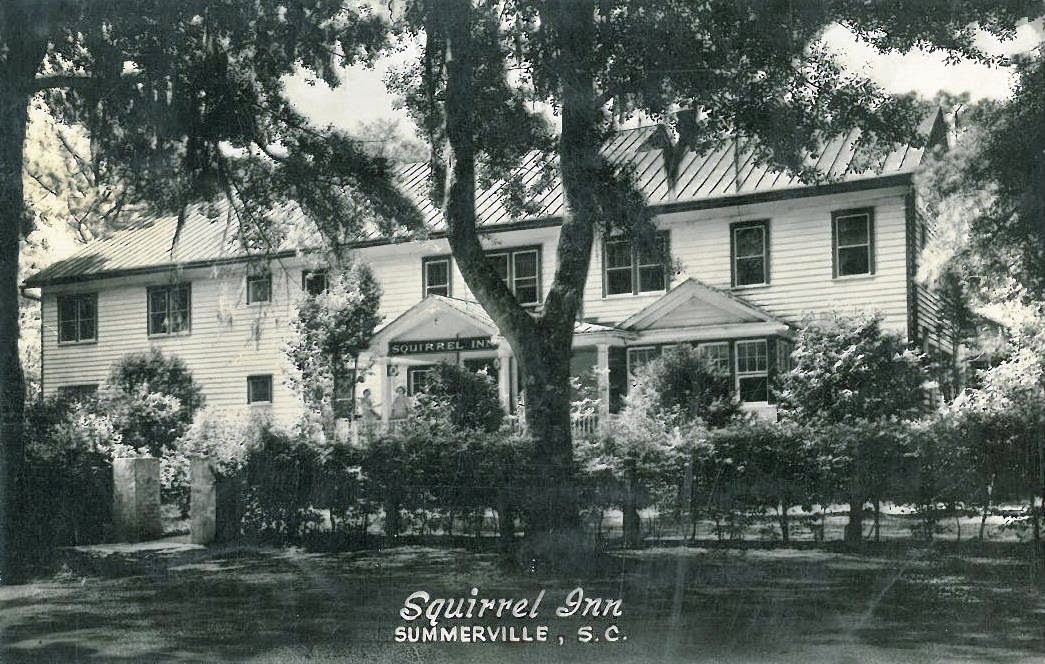
Resulting businesses included the Pine Forest Inn, Halcyon Inn, Wisteria Inn, Holly Inn, The Postern, Squirrel Inn and Pine View Inn. Visitors could relax in The Rocking Chair Room – one hundred seats available – at the Pine Forest Inn. They could visit the Pinehurst tea farm. They could go hunting. Or, they play golf at the location of today’s Corey Woods.


Many of the inns continued to operate into the mid-1900s. Following World War II, the convenience of motor traffic led to motels instead of hotels. The quaint and elegant inns disappeared. Today, some of the smaller inns or outbuildings of the larger inns, have become private homes. The largest remaining inn is the Squirrel Inn condominiums, across from Azalea Park. Try not to bother the residents, but notice the stained-glass squirrel windows beside the front door.

June 11, 2026
A simple guide to parks, sweet treats, public art, and easy summer fun for families visiting Summerville.
By Cassie Ford June 9, 2026
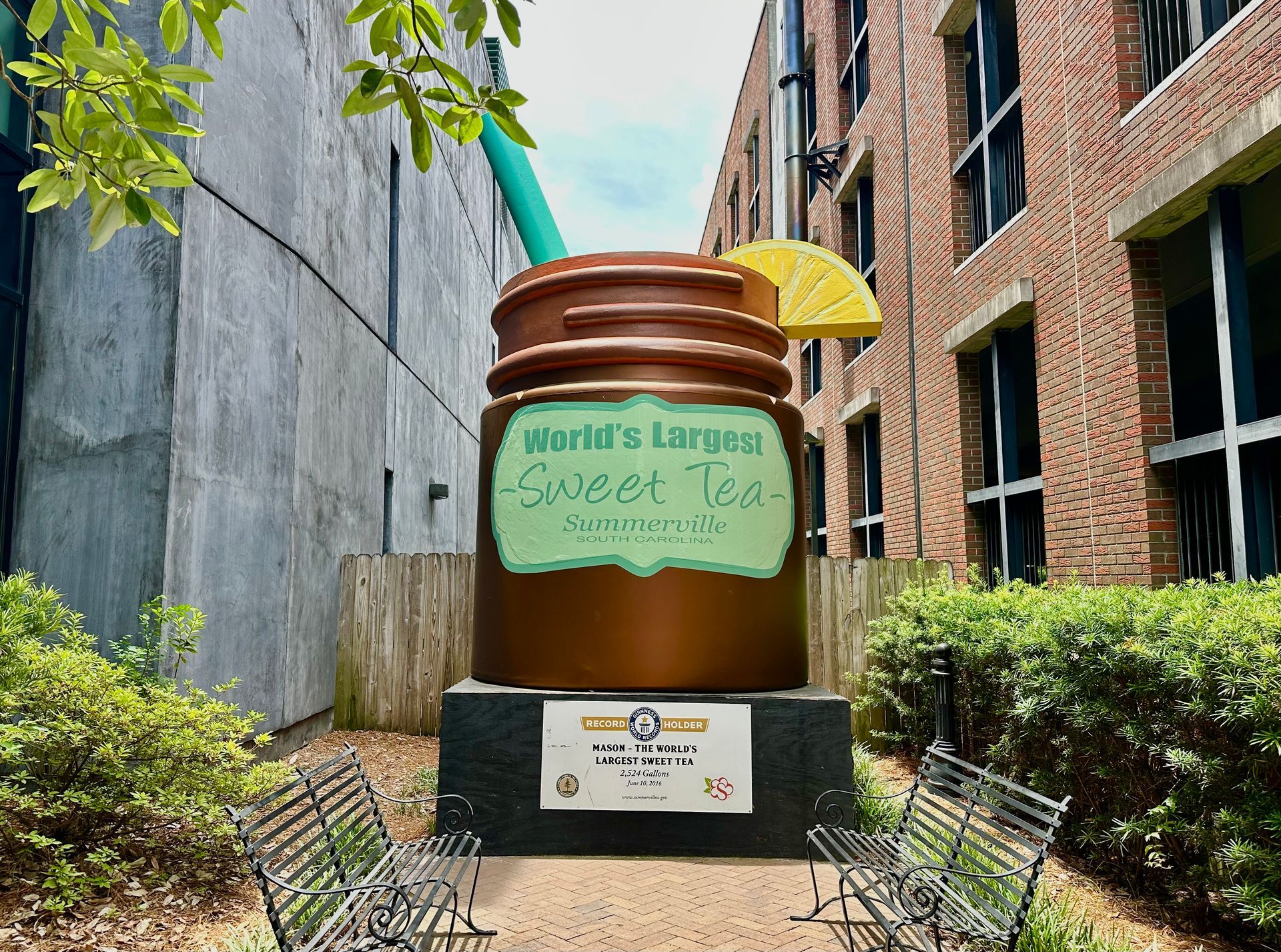
Celebrating 10 years as a Guinness World Record holder!
February 24, 2026
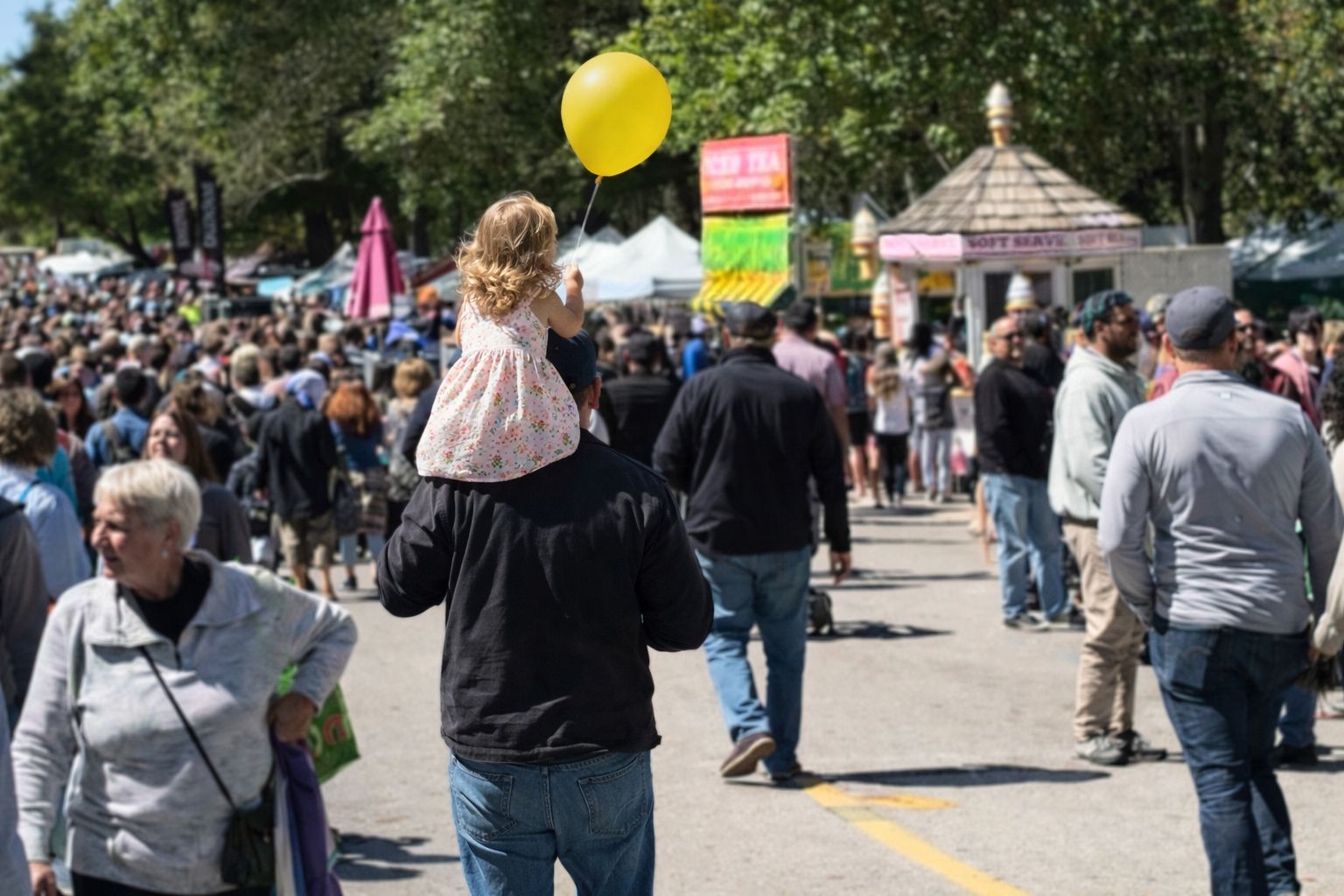
A Q&A with the Summerville Family YMCA The Summerville Family YMCA shares tips to help you enjoy their iconic Flowertown Festival like a seasoned local. Visit the Official Festival Site March 27th-29th, 2026 March 27: 9 am – 6 pm March 28: 9 am – 6 pm March 29: 9 am – 4 pm
By Cassie Ford February 15, 2026
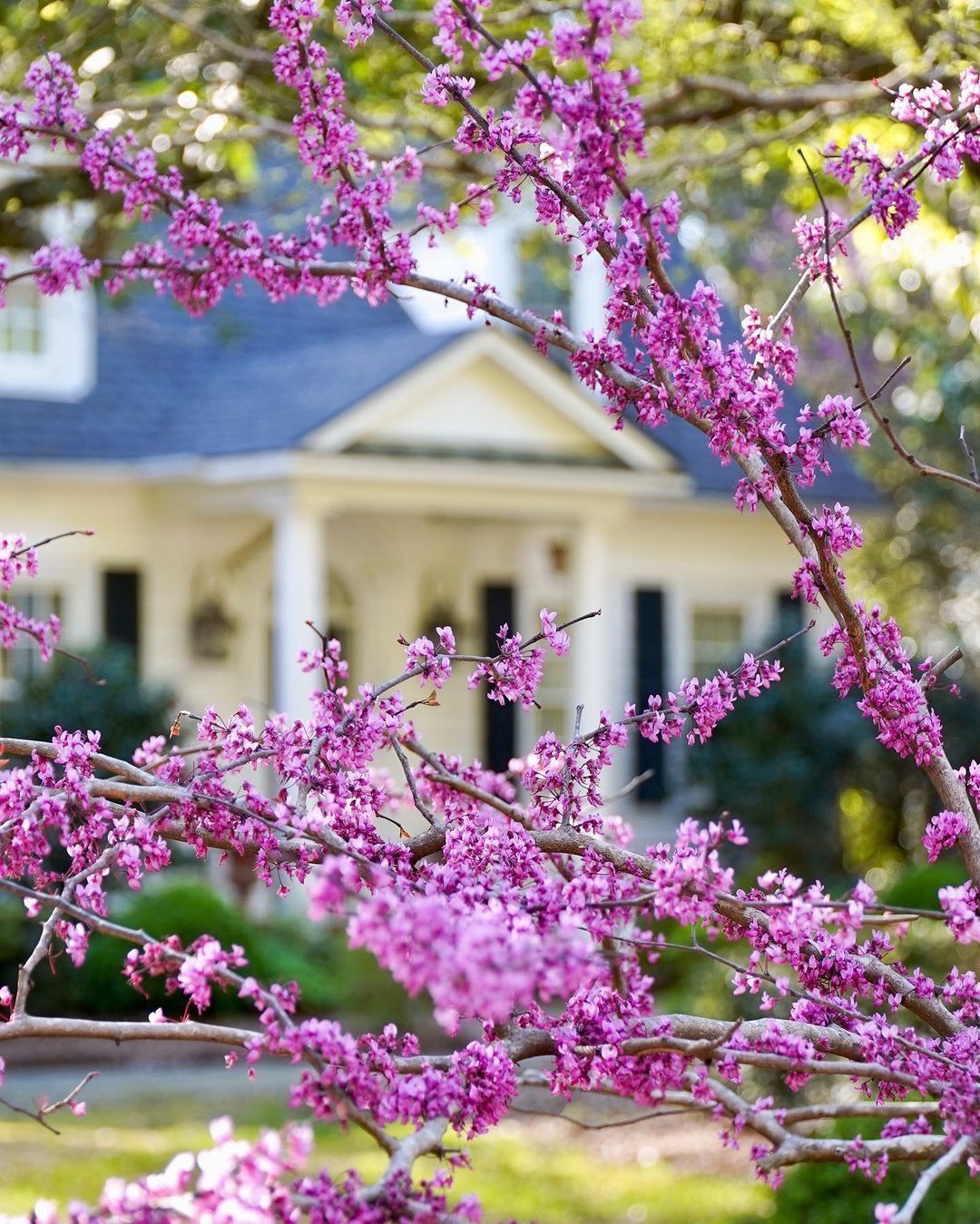
Your Guide to Springtime in Summerville
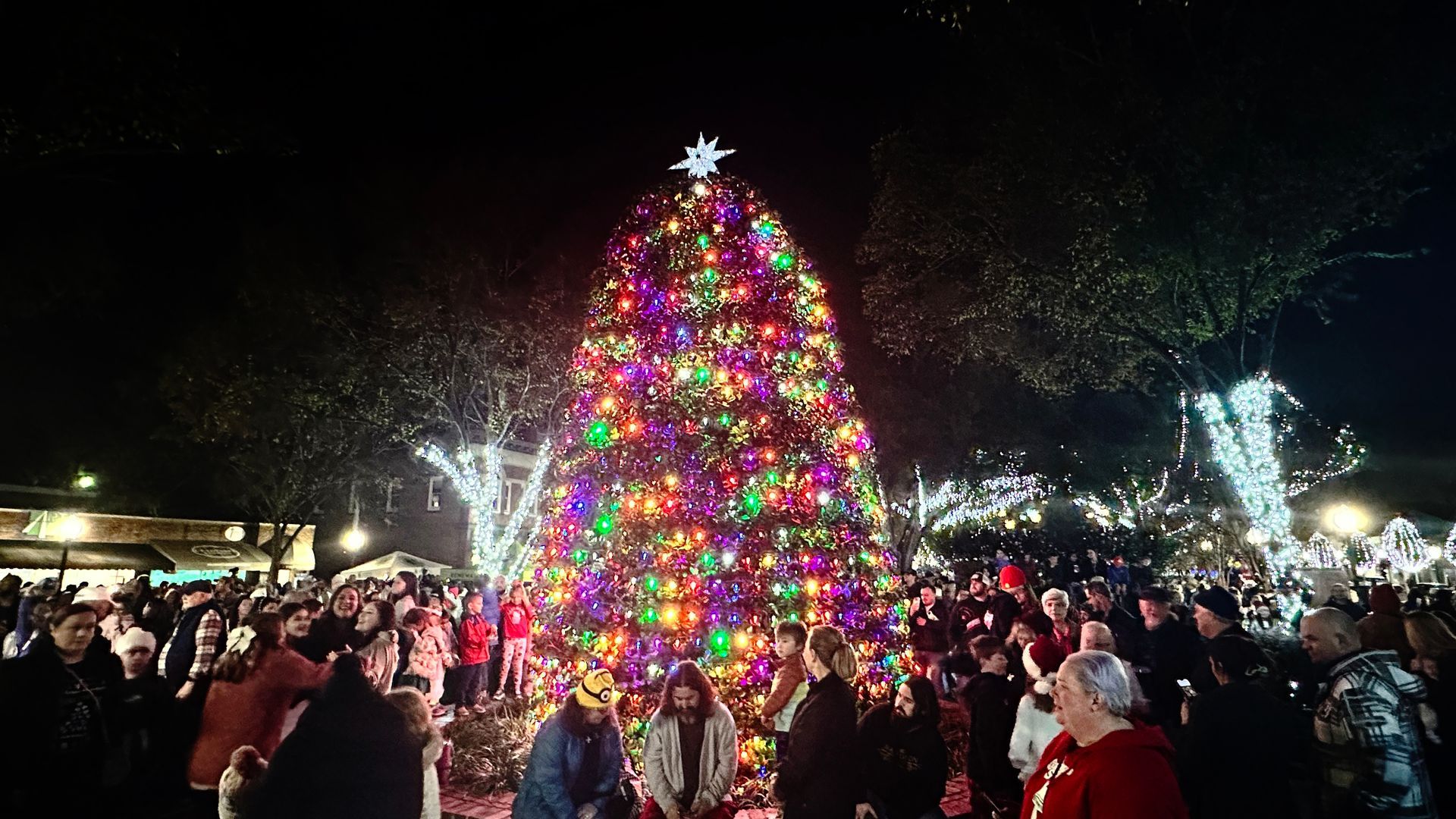
Christmas at Hutchinson Square in Summerville, SC
December 6, 2025
Making you feel right at home is exactly what Summerville's hosts do best. Check out places to stay and things to do during your stay over the holidays.
November 3, 2025
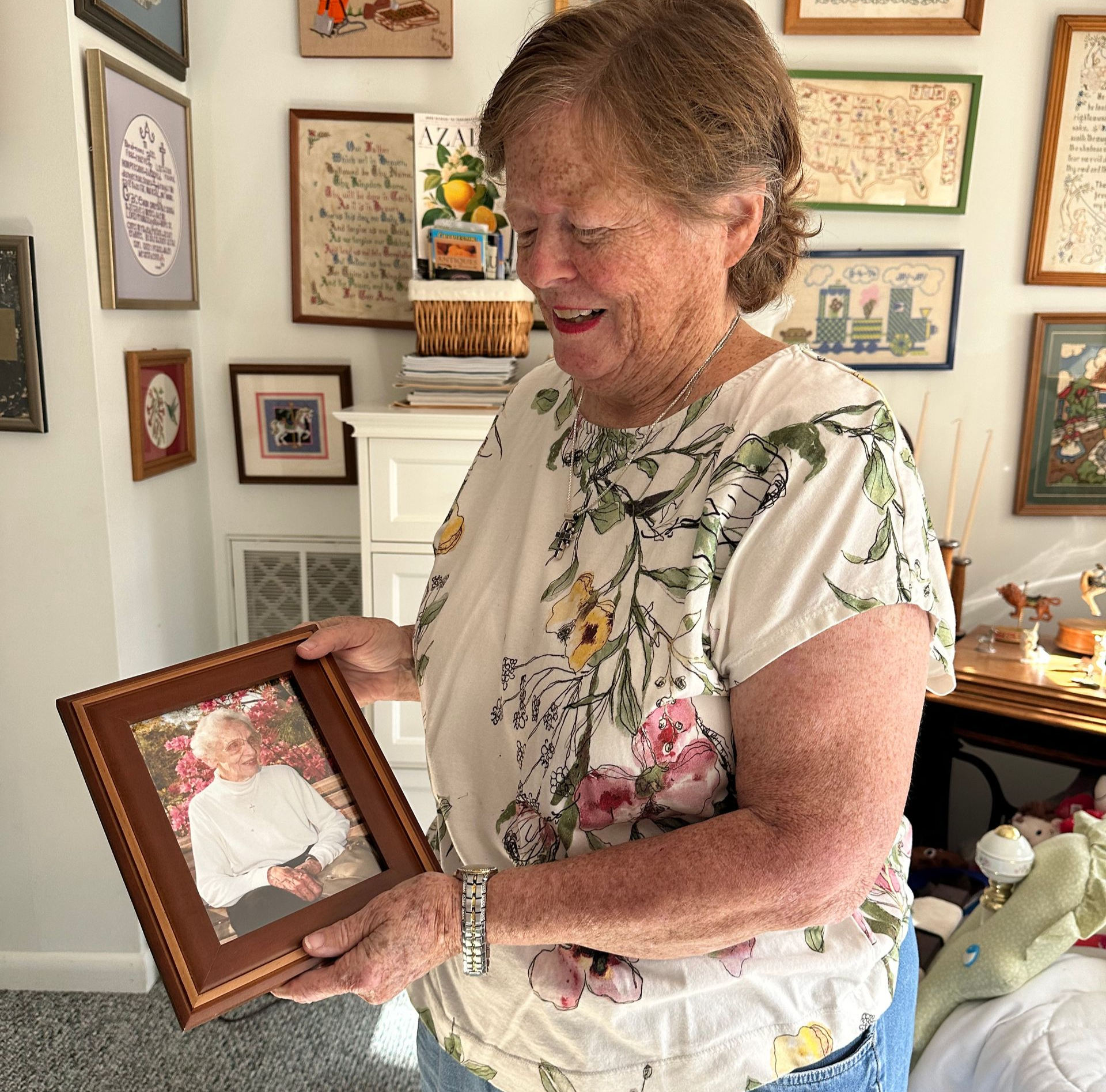
A lifelong storyteller, Dora Ann Reaves has spent her life capturing the spirit of Summerville in words, in photographs, and in the moments that matter most.
September 11, 2025
Sweet tea is more than just a refreshing beverage - it's a symbol of Southern hospitality and tradition. For many years, this iconic drink has been a staple of Southern cuisine, and nowhere is its history more celebrated than in Summerville, South Carolina, the Birthplace of Sweet Tea. The History of Tea Tea has a rich history in America, with its roots dating back to the late 1700s when French explorer and botanist Andre Michaux first planted tea at Middleton Place Plantation, which is in modern-day Summerville. Beginning in 1880, despite two failed attempts to grow tea in South Carolina, the federal government became interested in this new tea experiment. It established an experimental tea farm at the former Newington Plantation, leasing 200 acres from Henry Middleton. In 1888, Dr. Charles Shepard, a philanthropist and professor at the Medical College of SC acquired 600 acres of the Newington Plantation property. He established the Pinehurst Tea Plantation using plants from the government’s farm. He cultivated about 100 acres, built a factory, and began to sell his tea commercially, becoming the first successful commercial tea farm operation in the United States. After Dr. Shepard's passing in 1915, his plantation became deserted and remained so for over four decades until the Lipton Company purchased it in 1960. They salvaged the remaining plants from Pinehurst and utilized them to open a research facility spanning 127 acres on Wadmalaw Island. In 1987, an expert third-generation tea taster trained in London named William B. Hall, purchased the tea farm to establish what is now the Charleston Tea Garden. In 2003, Bigelow Tea Co. purchased the farm and partnered with Hall. The tea from the Charleston Tea Garden, all derivatives of Dr. Shepard's Camellia sinensis, is still growing there today and has earned the honor of the Official White House Tea and the Official Hospitality Beverage of South Carolina. You can also see specimens of the tea plants from the Pinehurst Tea Gardens in the garden of the Summerville Museum .
March 6, 2025
"At the Heart of Summerville" is a blog series dedicated to exploring the vibrant community of Summerville, South Carolina. From the historic downtown area to the surrounding districts, we showcase the people and places that make Summerville such a special destination.
February 20, 2025
See Summerville in a Day!
January 21, 2025
Color Mason, The World's Largest Sweet Tea
Show More